Business Systems· 8 min read
Choosing an ERP without regretting it in two years
An ERP decision is really a process decision. Here is how to evaluate options, and the questions vendors hope you will not ask.
NNAFATECHS AdminAdministrator
An ERP decision is really a process decision. Here is how to evaluate options, and the questions vendors hope you will not ask.
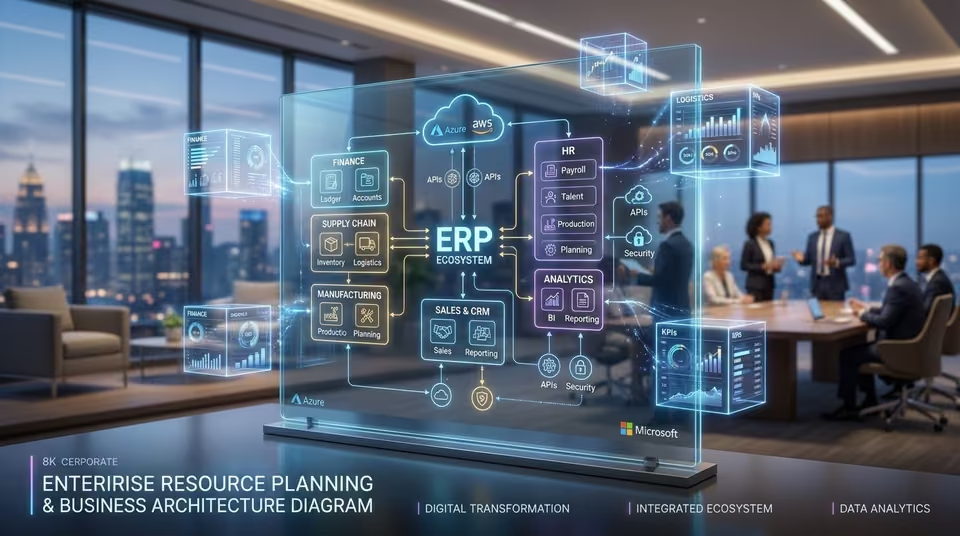
An ERP is the most consequential piece of software most organisations buy. It shapes how work is done for a decade, and replacing it is painful enough that people live with a poor fit for years. A few hours of honest preparation avoids most of the regret.
Write down how orders, stock, purchasing and invoicing actually flow today — including the workarounds. Vendors demo an idealised process; your business runs on the real one. The gap between the two is where cost and risk live, and you need to see it before you sign.
Most needs are met by configuring a mature product. Some deserve extension. A few, usually the ones that differentiate you, justify custom software. The mistake is choosing one answer for everything: custom-building commodity accounting wastes money, and forcing a unique workflow into a generic tool wastes people.
Data cleansing and migration are where timelines slip. Budget for repeated dry runs into a staging copy, reconcile totals before cut-over, and rehearse the rollback. Nothing should go live until the numbers match.
The system succeeds when the person on the shop floor finds it faster than their old method. Involve those users early, test workflows with them before build, and measure usage after go-live. Adoption is a design goal, not a training afterthought.